Angama Mara
Angama Mara
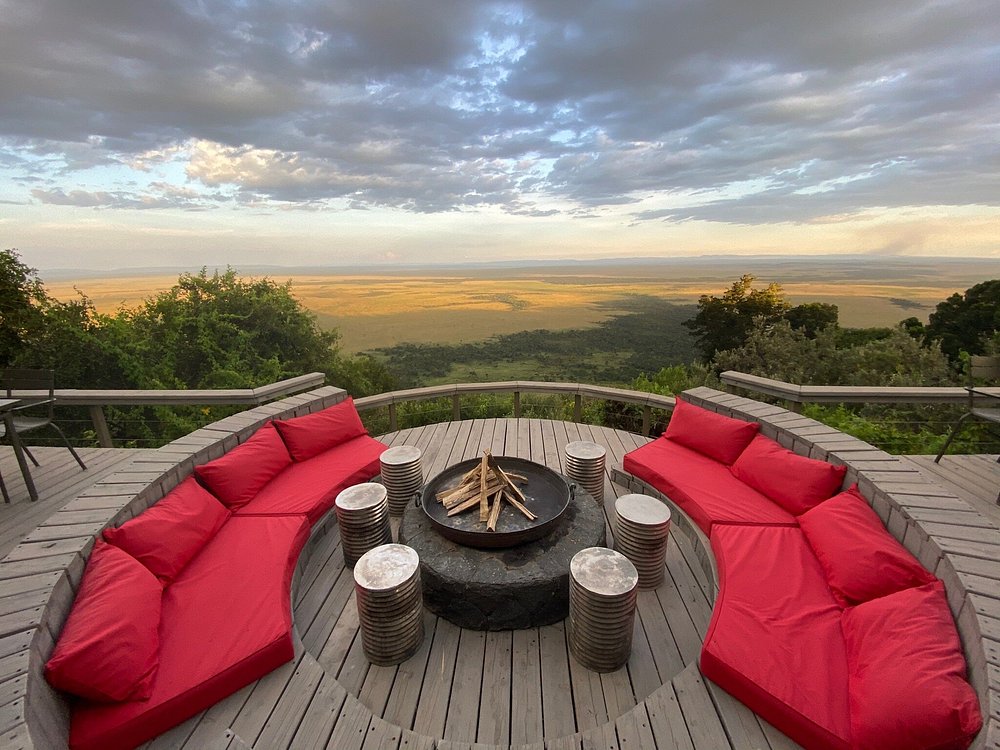
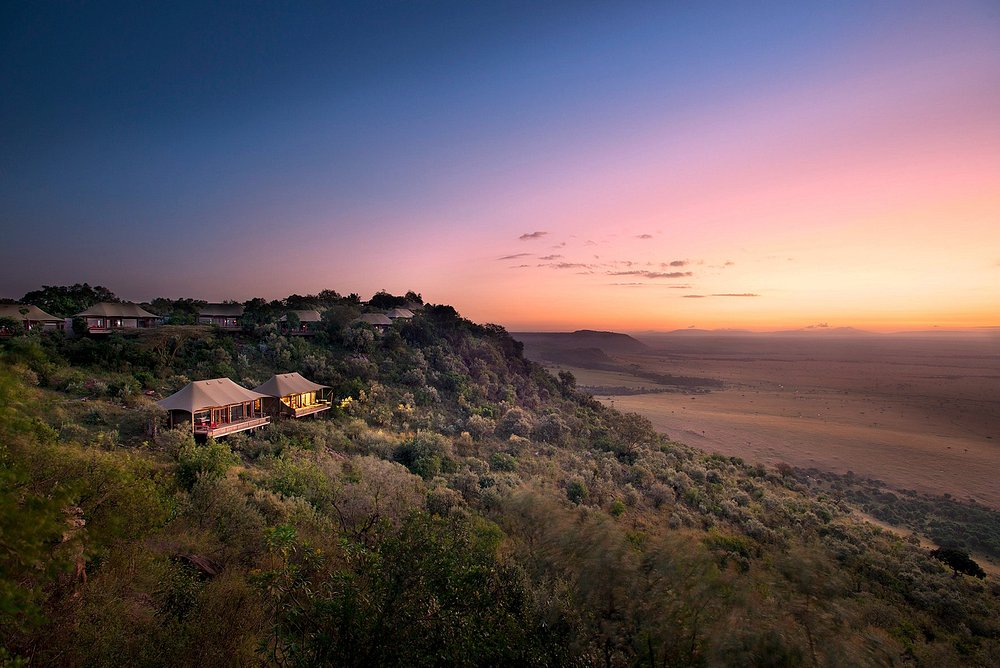
Angama Mara is one of Kenya’s most visually spectacular luxury safari lodges, famous for its dramatic position on the edge of the Great Rift Valley Escarpment overlooking the Maasai Mara. The name “Angama” comes from the Swahili word meaning “suspended in mid-air”, reflecting the lodge’s cliff-edge setting roughly 1,000 feet above the Mara plains.
It is designed less like a traditional safari camp and more like a contemporary African retreat: minimalist architecture, huge glass fronts, exceptional views, and a strong focus on photography, landscape, and personal experiences.
1. Location & Setting
Location: Oloololo Escarpment, western edge of the Maasai Mara ecosystem, Kenya.
Angama Mara sits directly above the Mara Triangle, one of the most scenic and wildlife-rich sections of the Maasai Mara. The lodge occupies about 700 hectares and has direct access toward the reserve through its private road.
Why the location is special:
-
Unmatched views: The entire Mara landscape spreads below the lodge like a living painting.
-
Quiet side of the Mara: The Mara Triangle generally receives fewer vehicles than some eastern areas of the reserve.
-
Historic connection: Some scenes from the film Out of Africa were filmed near the lodge site, adding a romantic connection to Kenya’s safari history.
The trade-off is that the lodge’s elevated position means you descend from the escarpment for game drives, adding some travel time compared with camps located directly on the plains.
2. Accommodation
Angama Mara has two separate but similar camps, each with 15 tented suites (30 suites total across both camps).
Tented Suites
These are among the most distinctive safari accommodations in Africa.
Features:
-
Around 100 square metres including deck space
-
Floor-to-ceiling glass frontage
-
Large private decks overlooking the Mara
-
Super-king beds
-
Indoor/outdoor terrazzo showers
-
Large soaking bathtubs
-
Writing desk
-
Drinks cabinet
-
Wi-Fi
-
International plug points
The design philosophy is simple: the view is the main artwork. The glass wall allows guests to wake up directly facing the Mara without leaving their room.
Family Accommodation
Angama offers interconnected suites suitable for families.
Family suites can accommodate:
-
Two adults
-
Up to four children
The connecting layout gives families privacy while allowing children to remain close.
3. Main Lodge Areas
The Pavilion
The main guest areas include open spaces designed around the scenery:
-
Dining areas
-
Lounge spaces
-
Bar
-
Swimming pool
-
Relaxation areas
The architecture uses stone, timber, glass, and African-inspired design elements rather than a classic colonial safari style.
The Map Room
The Map Room is both a library and a learning centre.
Guests can:
-
Understand the Greater Maasai Mara ecosystem
-
Study wildlife maps
-
Learn about conservation
-
Plan safari activities
It serves as a place to connect the landscape outside with the natural history of the region.
Photographic Studio
Angama Mara has a dedicated photographic studio aimed at:
-
Wildlife photographers
-
Content creators
-
Photography workshops
-
Image editing and storytelling
This is one reason the lodge is particularly popular among serious photographers.
4. Safari Experience
Wildlife
The Maasai Mara is famous for exceptional wildlife density.
Possible sightings include:
Big Cats
-
Lions
-
Leopards
-
Cheetahs
Large mammals
-
Elephants
-
Buffalo
-
Giraffes
-
Hippos
-
Zebras
-
Wildebeest
The Great Migration
From roughly July to October, millions of wildebeest and zebras move through the Mara ecosystem from the Serengeti. Timing varies each year, but this is the peak period for dramatic river crossings.
Game Drives
Typical safari activities include:
-
Morning game drives
-
Afternoon game drives
-
Full-day excursions
-
Bush breakfasts
-
Sundowners
The Mara Triangle is particularly attractive for photographers because of its open landscapes, dramatic light, and lower vehicle pressure compared with some busier areas.
5. Unique Angama Experiences
Picnic at the “Out of Africa” Kopje
One of Angama Mara’s signature experiences is a picnic at the nearby hilltop location associated with Out of Africa filming.
Guests can enjoy:
-
Champagne
-
Picnic lunch
-
Views over the Mara plains
Hot-Air Balloon Safari
A balloon safari is one of the most memorable ways to experience the Mara:
-
Sunrise flight
-
Aerial views of wildlife
-
Champagne breakfast after landing
Maasai Cultural Experiences
Guests can interact with local Maasai communities through:
-
Cultural visits
-
Beading demonstrations
-
Storytelling
The lodge’s Beading Studio also works with Maasai women artisans.
Bush Dining
Dining experiences may include:
-
Breakfast in the wilderness
-
Romantic dinners
-
Private meals overlooking the plains
6. Food & Dining
Angama focuses on modern African-inspired cuisine.
Typical approach:
-
Fresh local ingredients
-
Seasonal menus
-
Kenyan influences
-
International techniques
The lodge is known more for quality and setting than for formal fine dining.
7. Best Time to Visit
July–October: Great Migration Season
Best for:
-
Wildebeest crossings
-
Classic safari photography
-
First-time visitors
Advantages:
-
Incredible wildlife concentrations
Disadvantages:
-
Higher prices
-
More visitors
January–March: Predator Season
Best for:
-
Big cat photography
-
Young animals
-
Excellent weather
November–December and April–May: Green Season
Best for:
-
Landscapes
-
Birdlife
-
Fewer tourists
-
Lower rates
The Mara becomes lush and dramatic after rains.
8. Getting There
From Nairobi:
-
Flight from Wilson Airport to Angama Mara’s private airfield
-
Approximately 45 minutes by air
Road transfers are possible but are much longer and less comfortable.
9. Sustainability & Conservation
Angama supports conservation through:
-
Employment of local communities
-
Wildlife protection initiatives
-
Habitat preservation
-
Community partnerships
The lodge’s model is based on high-value, low-impact tourism.