Kizingo Beach Eco Lodge
Kizingo Beach Eco Lodge
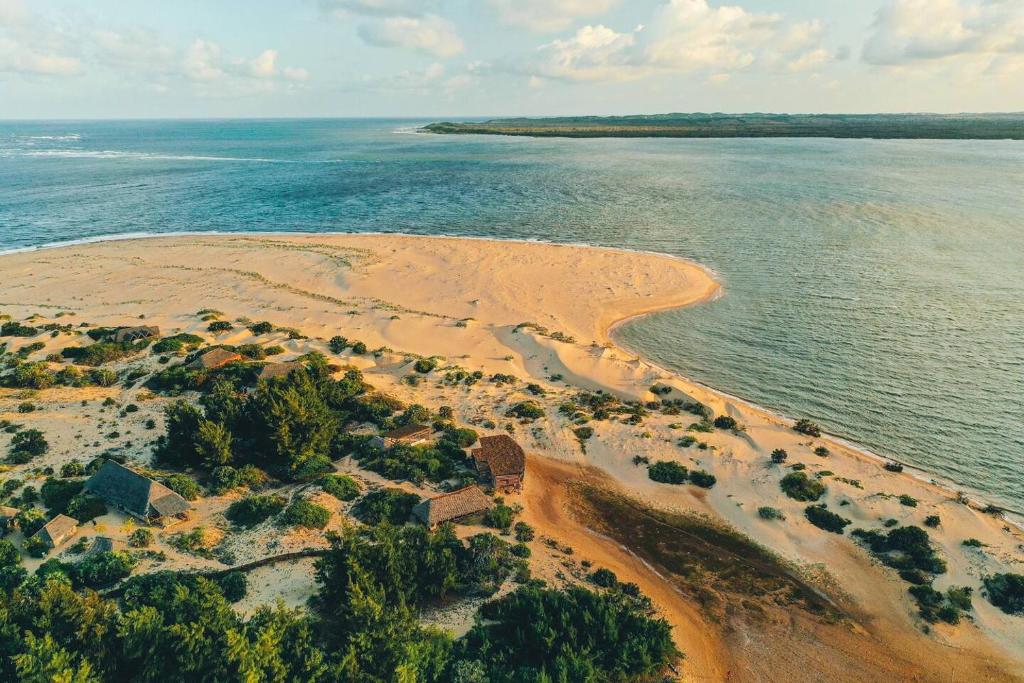
Kizingo Eco Lodge is a secluded beachfront eco-lodge on the remote southwestern tip of Lamu Island, Kenya. It is designed around slow tourism, Swahili culture, nature, and low-impact living rather than conventional resort-style luxury.
Kizingo Eco Lodge is located near Kipungani village, where the Lamu Channel meets the Indian Ocean. The lodge is reached by boat from Manda Airport (roughly a 30-minute transfer), and the surrounding area has no roads or cars, creating a very quiet, remote atmosphere.
1. The Kizingo experience
Kizingo is built around the idea of “barefoot luxury”: simplicity, privacy, natural beauty, and connection with the environment. The lodge’s philosophy is summarized by its “No Shoes, No News” approach — encouraging guests to slow down and disconnect.
It is best suited for travellers looking for:
-
A romantic escape
-
A honeymoon destination
-
Digital detox
-
Wildlife and nature experiences
-
Authentic Swahili coastal culture
-
Quiet beachfront relaxation
It is less suitable for visitors wanting:
-
Nightlife
-
Shopping malls or busy towns nearby
-
Air-conditioned rooms and televisions
-
A large resort with many facilities
2. Accommodation: the bandas
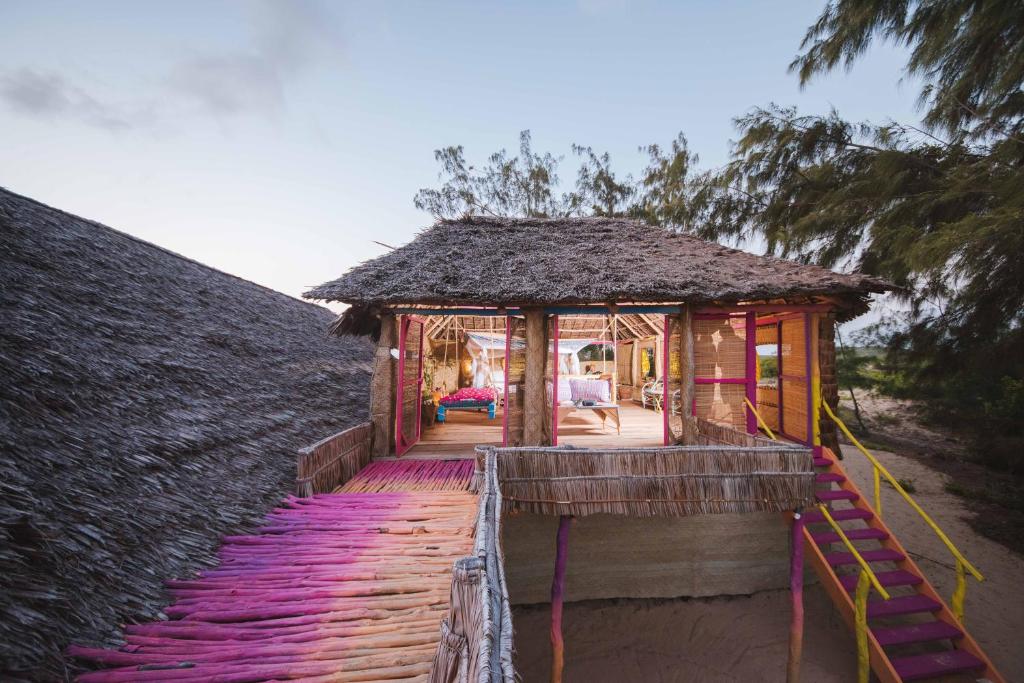
The lodge has eight individually designed bandas (traditional coastal cottages), each built to blend with the dunes and ocean landscape.
The bandas include:
-
Mangroves
-
Corals
-
Sunset
-
Tides
-
Dunes
-
Deep Sea
-
Night Sky
-
Sunrise
Features generally include:
-
Ocean or dune views
-
Private bathrooms
-
Open-air design
-
Natural ventilation
-
Private verandas
-
Mosquito protection
-
Locally crafted furniture
The design uses traditional materials such as:
-
Makuti (woven coconut leaves) roofing
-
Palm materials
-
Coconut wood
-
Mangrove wood
-
Handcrafted Swahili-inspired details
3. Sustainability and eco practices
Kizingo is one of Kenya’s better-known eco-focused coastal lodges. Its environmental approach includes:
Solar energy
Each banda uses solar systems for electricity and hot water.
Local construction
Buildings were created using traditional techniques and local craftsmanship, supporting artisans from the area.
Water management
The lodge uses locally sourced fresh water and emphasizes responsible consumption.
Plastic reduction
The lodge works toward reducing plastic waste and supports beach-cleaning efforts through local initiatives.
Food sustainability
The kitchen focuses on locally sourced ingredients, seafood, Swahili flavours, and garden produce where possible.
Low-impact design
There are no roads through the property; guests move through soft sand paths, preserving the natural dunes.
4. Food and dining
Dining is a major part of the Kizingo experience.
Expect:
-
Fresh seafood
-
Swahili coastal cuisine
-
Coconut-based dishes
-
Fresh fruits
-
Locally inspired vegetarian options
-
Meals prepared with local ingredients
Typical coastal dishes may include:
-
Grilled fish
-
Coconut rice
-
Seafood curries
-
Fresh tropical salads
-
Traditional Swahili sauces
The atmosphere is informal and usually focused on ocean views, natural surroundings, and relaxed dining rather than formal restaurant service.
5. Activities and things to do
Beach relaxation
The main attraction is the long, quiet beach. Guests can swim, walk, sunbathe, or enjoy sunsets with very few people around.
Swimming and ocean activities
Possible activities include:
-
Snorkelling
-
Diving
-
Fishing
-
Kayaking
-
Boat excursions
Lamu cultural experiences
Guests can explore:
-
Lamu Old Town
-
Traditional dhow sailing
-
Swahili architecture
-
Local markets
-
Village life
Lamu is famous for its centuries-old Swahili heritage and unique blend of African, Arab, Persian, Indian, and European influences.
Nature exploration
The area offers:
-
Mangrove ecosystems
-
Marine life
-
Coastal bird watching
-
Sand dune walks
6. Getting there
Typical route:
Nairobi → Lamu (Manda Airport) → Boat transfer → Kizingo
The lodge arranges boat transfers, and arrival itself is part of the experience because there are no direct roads to the property.
7. Best time to visit
Generally favourable periods:
January–March
-
Hot and sunny
-
Good beach weather
-
Calm ocean conditions
July–October
-
Cooler coastal temperatures
-
Good for exploring
The rainy seasons can bring fewer visitors and greener landscapes, but some activities may be affected by weather.
8. Strengths
What guests usually love
Extremely peaceful location
Beautiful untouched beach
Authentic Swahili atmosphere
Excellent eco-conscious design
Romantic setting
Friendly local hospitality
Unique architecture
Guest booking platforms highlight the beachfront location, sea views, private beach area, and strong location ratings.
9. Things to consider before booking
No air conditioning
The lodge relies on natural airflow rather than artificial cooling.
Limited connectivity
It is designed as a place to disconnect.
Remote location
Getting there requires boat travel, and spontaneous trips into town are not as simple as at mainland resorts.
Rustic luxury
The experience is luxurious because of location, privacy, and design — not because of large rooms, technology, or extensive facilities.
10. Who should choose Kizingo?
Excellent choice for:
-
Couples
-
Honeymooners
-
Eco-conscious travellers
-
Photographers
-
Writers and creatives
-
People seeking solitude
Maybe not ideal for:
-
Families wanting kids’ clubs and pools
-
Business travellers
-
Visitors seeking nightlife
-
People who require modern hotel conveniences