Man Eaters Lodge
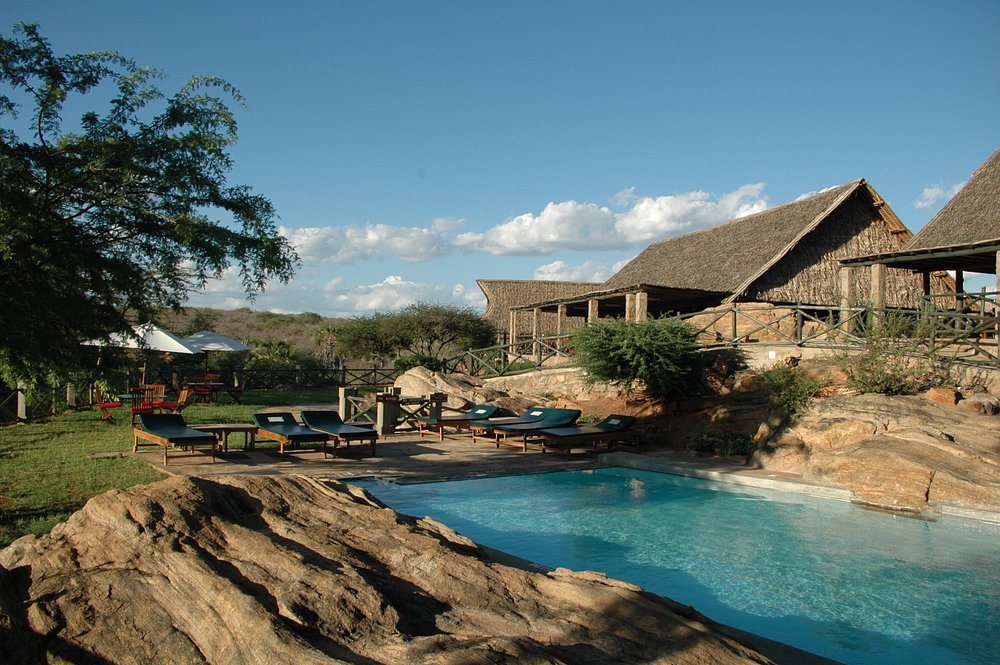
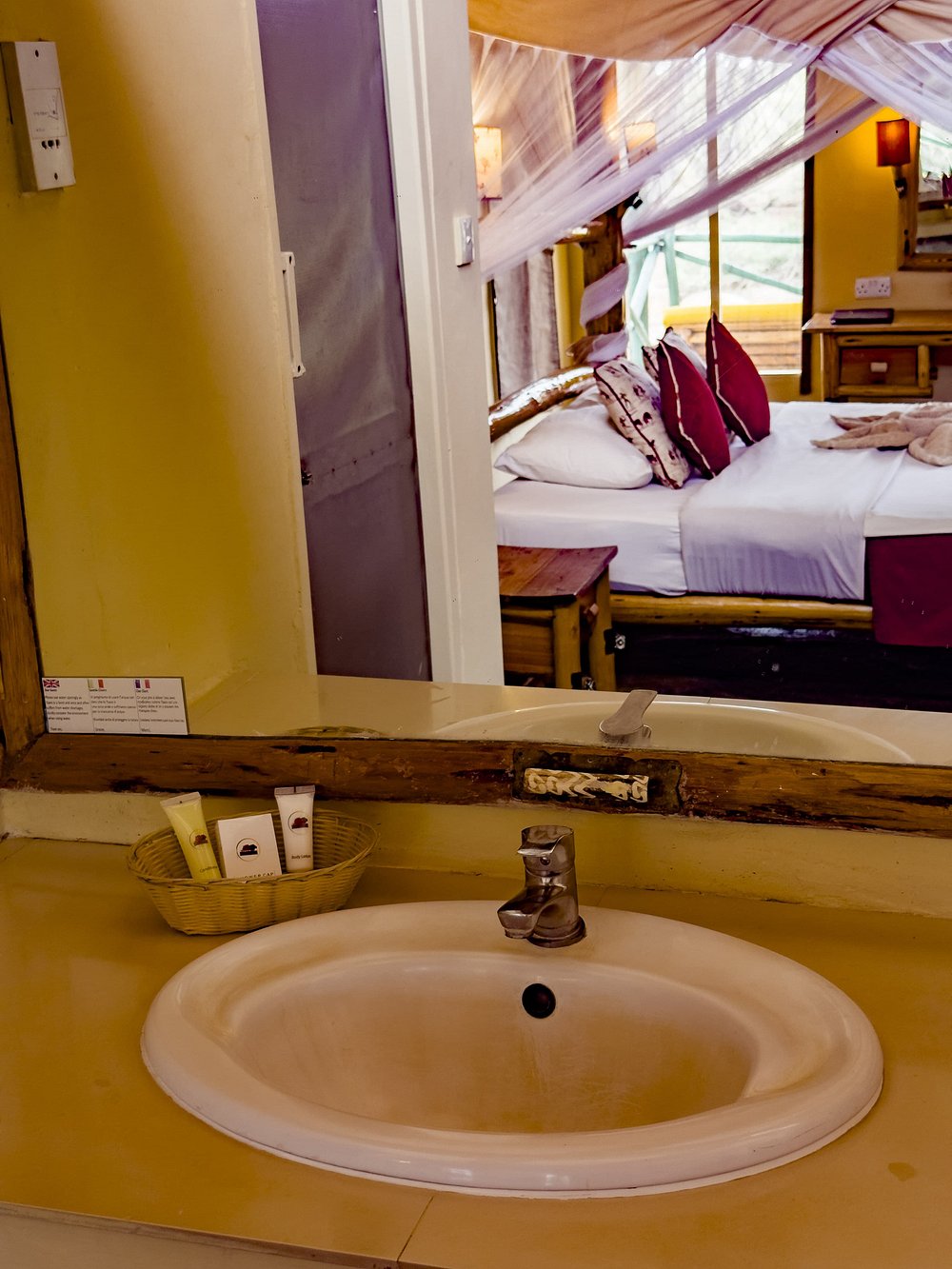
Man Eaters Lodge
Man Eaters Lodge (also known as Man Eaters Camp) is a historic safari lodge located near the Tsavo River in Tsavo, Kenya, famous because of its connection to the legendary “Man-Eaters of Tsavo” — two lions that attacked railway workers during construction of the Uganda Railway in 1898. Today, the lodge combines this dramatic history with a comfortable wildlife safari experience.
1. Historical Background: The Man-Eaters of Tsavo
The lodge’s name comes from one of Africa’s most famous wildlife incidents.
The railway construction tragedy (1898)
During the construction of the Uganda Railway across British East Africa (modern Kenya), thousands of workers were building a bridge over the Tsavo River. In 1898, two male lions began attacking the camps at night.
The lions became known for:
-
Entering worker camps after dark
-
Dragging people away from tents
-
Avoiding many attempts to stop them, including fires and thorn barriers
-
Creating widespread fear among railway workers
The exact number of victims remains debated:
-
Railway engineer John Henry Patterson claimed a much higher figure
-
Later historians and researchers generally estimate fewer victims, often around several dozen
Patterson eventually hunted and killed both lions. Their preserved remains are now displayed at the Field Museum in the United States.
The story later inspired the film The Ghost and the Darkness.
2. Location
Man Eaters Lodge is situated in the Tsavo wilderness region of Kenya, close to the historic Tsavo River railway crossing area. It provides access to wildlife areas of both Tsavo East and Tsavo West.
Approximate travel distances:
-
From Nairobi: about 250–300 km (roughly 4–6 hours by road depending on route)
-
From Mombasa: about 200 km (roughly 3–4 hours)
-
Near the Nairobi–Mombasa highway and railway route
Its location makes it popular as:
-
A stopover between Nairobi and the Kenyan coast
-
A base for Tsavo safari adventures
3. Accommodation
The lodge offers a tented safari camp experience, combining wilderness atmosphere with hotel-style comfort.
Accommodation features:
-
Around 31 safari tents
-
Private bathrooms
-
Comfortable beds with mosquito nets
-
Private verandas/balconies
-
Family accommodation options
-
River and wilderness views
The tents are designed to give guests the feeling of being in the bush while still providing modern conveniences.
4. Facilities and Services
Main facilities include:
Swimming pool
A pool area allows guests to relax while surrounded by the Tsavo landscape.
Dining
The lodge provides:
-
Restaurant meals
-
Local and international cuisine
-
Views over the surrounding wilderness
Bar
The Simba Mbili Bar offers a place to relax, often popular during sunset hours.
Museum/history display
A small museum area focuses on:
-
The Tsavo lions
-
Railway history
-
Local heritage
5. Wildlife Experience
The lodge sits in one of Kenya’s most famous wildlife regions.
Visitors may see:
The Big Five
-
Elephant
-
Lion
-
Leopard
-
Buffalo
-
Rhino
Other wildlife:
-
Giraffe
-
Zebra
-
Antelope species
-
Hippos near water sources
-
Crocodiles
-
Large bird diversity
Tsavo is particularly famous for:
-
Large elephant populations
-
Red-colored soil and landscapes
-
Wide open savannah scenery
6. Activities
Typical activities include:
Safari game drives
Guests can explore Tsavo’s wildlife areas with guided drives.
Bird watching
Tsavo has hundreds of bird species, making it attractive for bird enthusiasts.
Nature walks
Guided walks allow visitors to learn about smaller plants, animals, and ecosystems.
Bush dining experiences
Some packages include:
-
Bush breakfasts
-
Sundowners
-
Outdoor dinners
Historical tours
Visitors can learn about:
-
The railway construction
-
The Tsavo lions
-
The history behind the lodge name
7. Best Time to Visit
Dry seasons (best for wildlife viewing)
June–October
-
Animals gather around water sources
-
Roads are easier for game drives
-
Cooler temperatures
January–February
-
Another good wildlife period
-
Generally warmer
Wet seasons
March–May
-
Green landscapes
-
Fewer tourists
-
Some roads may become difficult