Midland hotel
Midland hotel
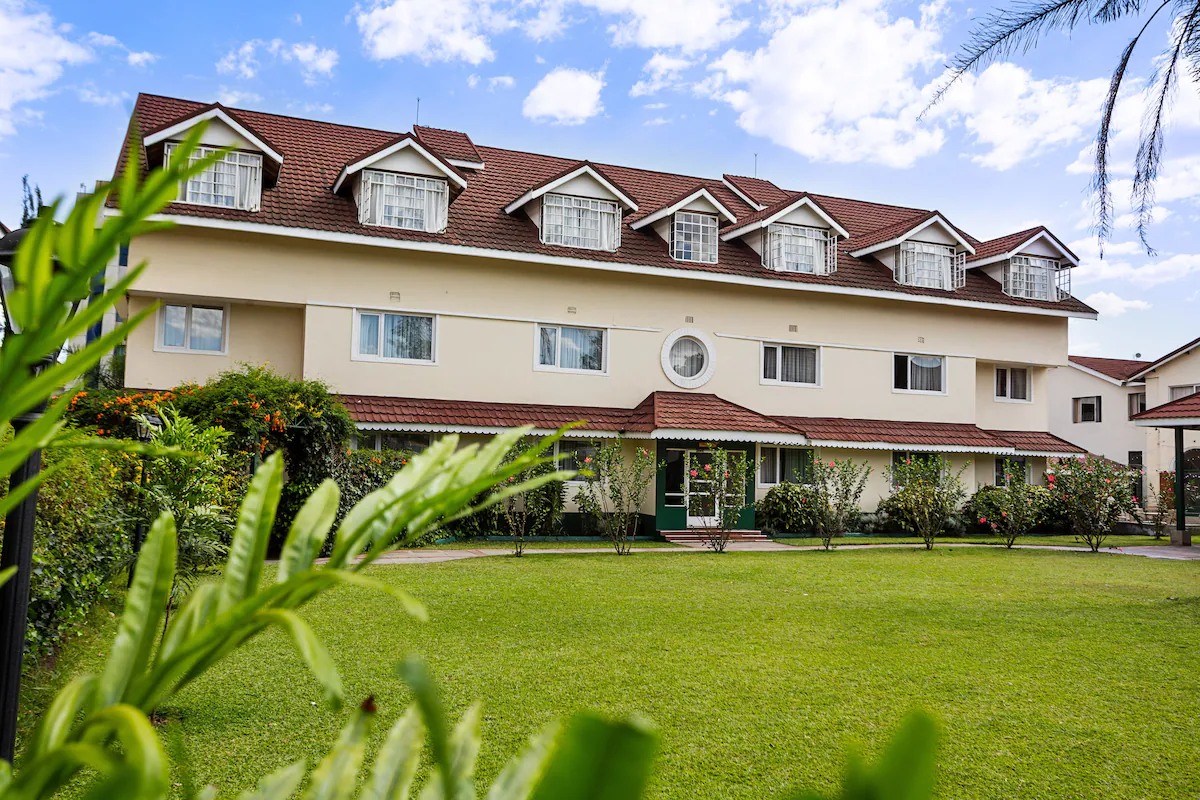
The Midland Hotel, Nakuru is a historic luxury hotel located on Geoffrey Kamau Avenue in Nakuru, Kenya, positioned within the city’s historic commercial district near the Great Rift Valley attractions. The property blends colonial-era heritage with modern hospitality and is considered one of Nakuru’s landmark hotels.
Historical Background
The hotel traces its roots to the early 1900s during Nakuru’s emergence as an agricultural and commercial hub. According to the hotel’s official history, it hosted the inaugural board meeting of Unga Limited in 1908, highlighting its role in Kenya’s early commercial development. During this period, Nakuru attracted settlers due to its fertile volcanic soils and favorable climate, and the hotel became a central meeting place for traders, farmers, and business leaders.
The property has evolved from a traditional colonial hotel into a modern four-star establishment while preserving elements of its heritage architecture and ambiance. Its historical importance makes it one of the more culturally significant hospitality properties in Kenya’s Rift Valley region.
Location and Strategic Importance
The hotel sits in central Nakuru, offering access to several major attractions:
-
Menengai Crater
-
Lake Nakuru National Park
-
The Nairobi–Nakuru highway corridor
-
Nakuru’s business district
Its location makes it popular with:
-
Business travelers
-
Conference delegates
-
Tourists visiting Rift Valley parks
-
Government and NGO visitors
The hotel occupies roughly two acres within Nakuru town and serves as both a hospitality destination and conference venue.
Accommodation and Room Categories
The hotel offers two major room styles:
Signature Rooms
These are the modern premium rooms featuring:
-
King-size beds
-
Hand-crafted mahogany furniture
-
Reading/work areas
-
43-inch televisions
-
Double-glazed soundproof windows
-
Beverage stations and electric kettles
The design emphasizes contemporary comfort with upscale finishes.
Heritage Rooms
These rooms preserve more classic styling and include:
-
Four-poster queen beds
-
Chandeliers
-
Traditional décor
-
Digital door locks
-
Free Wi-Fi
-
Reading lamps and classic furnishings
The heritage rooms are intended to reflect the hotel’s colonial-era atmosphere while still offering modern conveniences.
Dining and Culinary Experience
The hotel restaurant serves:
-
African cuisine
-
Continental dishes
-
Bar beverages and cocktails
The culinary offering caters to both international guests and local Kenyan tastes. Dining spaces are designed for both casual meals and formal gatherings.
Conference and Business Facilities
A major feature of the hotel is its role as a conference and meeting destination. Facilities include:
-
Banquet halls
-
Business meeting rooms
-
Conference hosting services
-
Concierge support
-
Multilingual staff
Because of Nakuru’s central location within Kenya, the hotel is often used for regional business meetings, seminars, and governmental workshops.
Amenities and Services
Amenities commonly associated with the hotel include:
-
Free Wi-Fi
-
Free parking
-
24-hour reception
-
Gardens and outdoor spaces
-
Restaurant and bar
-
Elevator/lift access
-
Concierge services
-
Air-conditioned rooms (select categories)
The property positions itself as a premium accommodation choice in Nakuru.
Architecture and Design
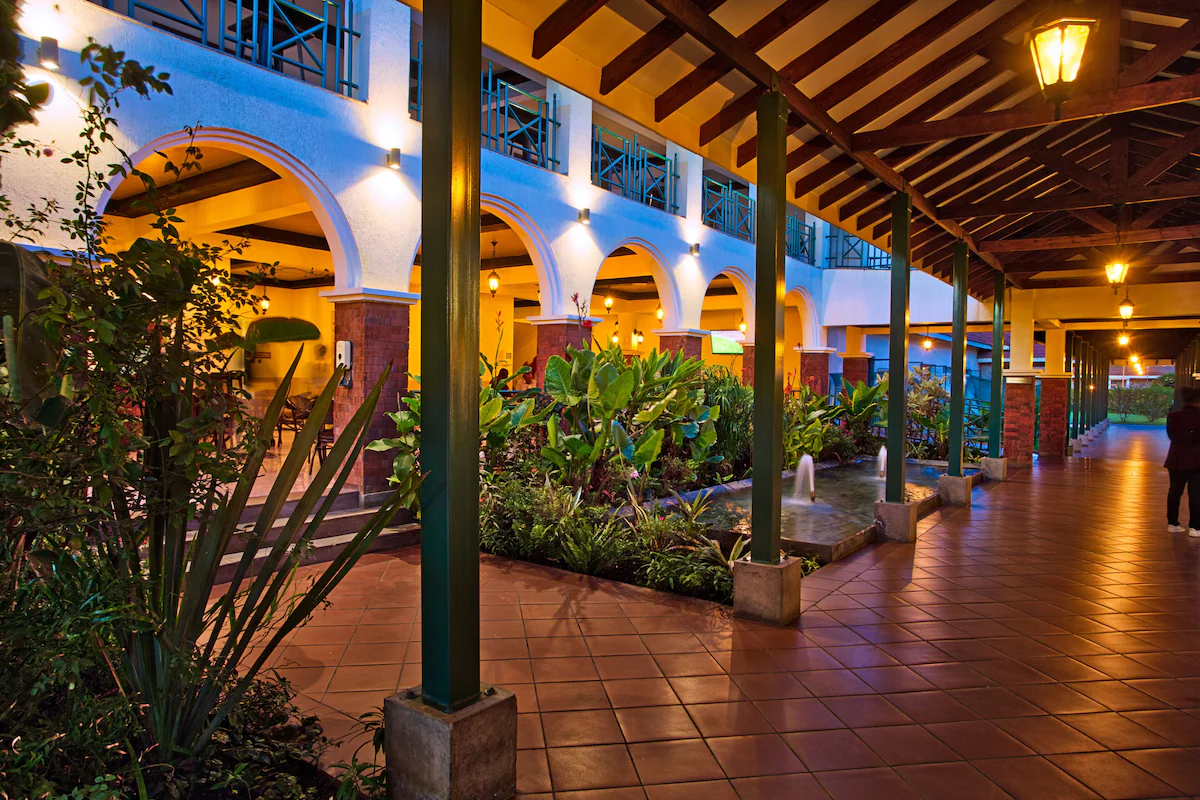
The Midland Hotel combines:
-
Colonial heritage aesthetics
-
Traditional East African hospitality
-
Modern renovations
Interior themes use:
-
Mahogany furniture
-
Wool rugs
-
Heritage-inspired décor
-
Spacious lounges and corridors
The hotel emphasizes elegance and historical continuity while modernizing guest facilities.
Reputation and Reviews
The hotel currently maintains strong public ratings and substantial visitor traffic. Guests frequently praise:
-
Historic ambiance
-
Central location
-
Spacious rooms
-
Professional service
-
Conference facilities
It is regarded as one of Nakuru’s better-known upscale hotels and remains a notable hospitality landmark in Kenya’s Rift Valley region.
Cultural and Economic Significance
Beyond hospitality, the hotel represents:
-
Part of Nakuru’s colonial-commercial history
-
Early Kenyan agricultural trade development
-
The growth of hospitality infrastructure in the Rift Valley