Rekero Camp
Rekero Camp
Rekero Camp is one of the most respected classic safari camps in Kenya’s Maasai Mara National Reserve. It is known for its exceptional guiding, intimate atmosphere, and one of the best locations in the Mara for witnessing the Great Migration. The camp is operated by Asilia Africa and has been a fixture in the Mara since 1999.
1. Location & Setting
Location:
Rekero sits on the northern bank of the Talek River in the Musiara sector of the Maasai Mara National Reserve. It is close to the meeting point of the Talek and Mara Rivers, an area famous for wildlife concentrations and predator activity.
Why the location is special:
-
It is near major wildebeest crossing points during the Great Migration.
-
The surrounding plains attract large herds of wildebeest, zebra, and gazelle between roughly July and October.
-
The Talek River provides year-round wildlife activity, including hippos, elephants, and many bird species.
-
The camp’s central position allows access to some of the Mara’s most productive game-viewing areas.
Coordinates: Approximately 1°25’21.8"S, 35°5’3.1"E.
2. Camp Style & Atmosphere
Rekero is a small, authentic luxury tented safari camp rather than a large lodge. The philosophy is focused on wildlife, guiding, comfort, and immersion in nature.
The atmosphere is:
-
Relaxed and personal
-
Classic East African safari style
-
Quiet and intimate
-
More focused on the bush experience than excessive luxury
The camp is particularly popular with:
-
Wildlife photographers
-
Experienced safari travellers
-
Couples
-
Families wanting an authentic safari
3. Accommodation
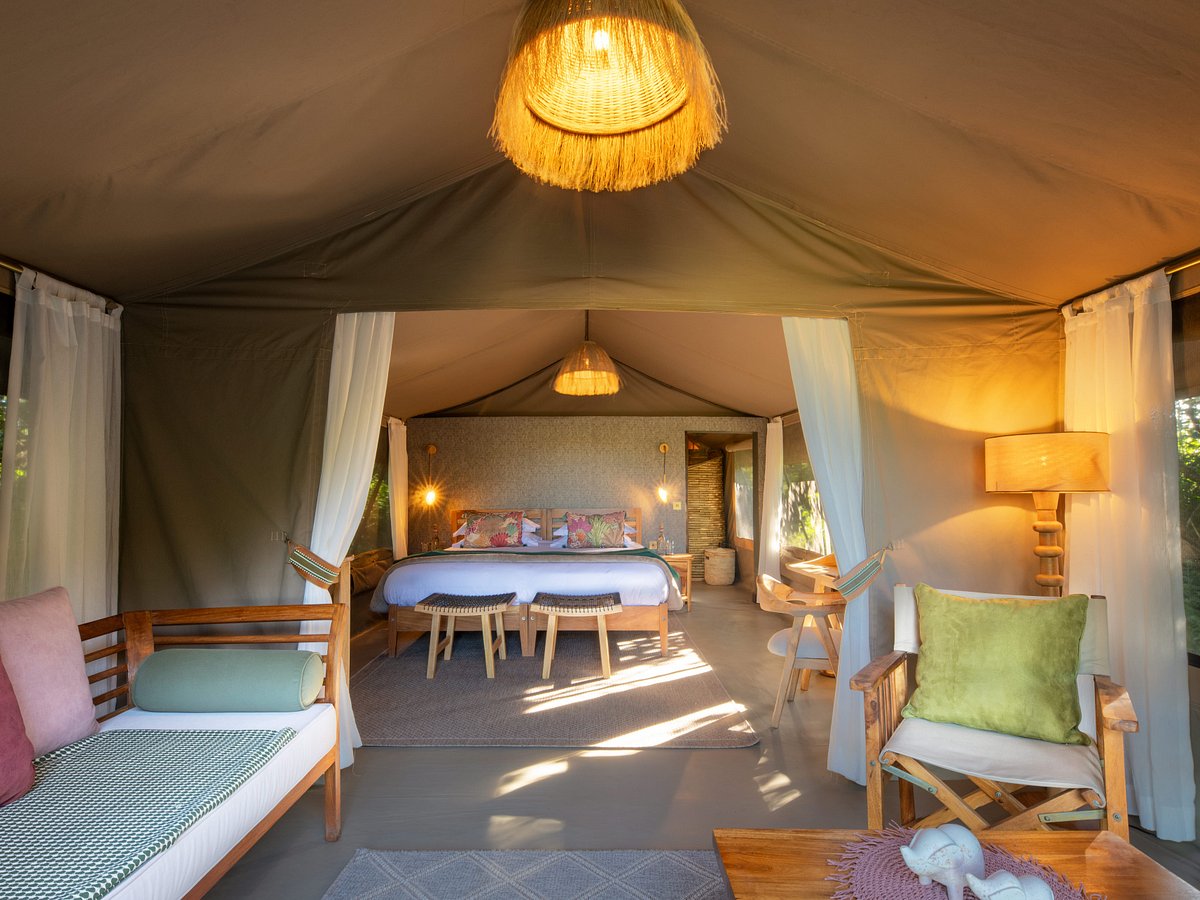
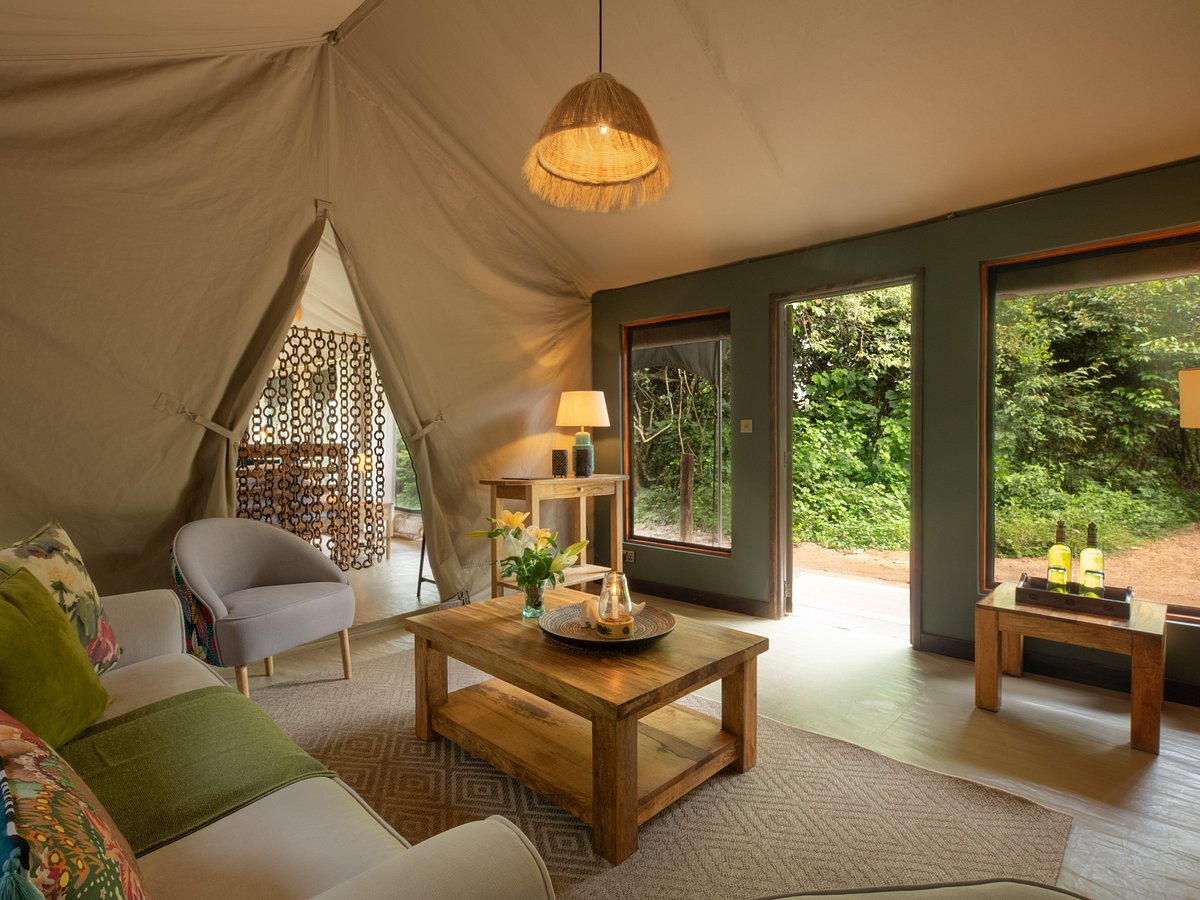
Rekero has nine safari tents, designed to provide comfort while maintaining a close connection with the wilderness.
Standard tents include:
-
Spacious sleeping areas
-
Private verandas overlooking the river or wilderness
-
En-suite bathrooms
-
Flush toilets
-
Hot-water showers
-
Solar-powered lighting
-
Safari-style furnishings
Family accommodation:
The camp offers family tents designed for travellers with children, with additional space and family-friendly layouts.
4. Wildlife Experience
Rekero’s biggest strength is its wildlife location and guiding quality.
Common sightings:
-
Lion
-
Leopard
-
Cheetah
-
Elephant
-
Buffalo
-
Hippo
-
Giraffe
-
Zebra
-
Wildebeest
-
Spotted hyena
-
Many bird species
The area is especially famous for:
-
Big cat encounters
-
Predator-prey interactions
-
Migration photography
-
River crossing action
Rekero was also associated with filming of wildlife documentaries, including Disney’s African Cats, due to the quality of wildlife viewing around the camp.
5. The Great Migration Experience
The migration season is Rekero’s highlight.
Best months:
July – October (especially August–September)
During this period:
-
Millions of wildebeest and zebra move into the Mara from the Serengeti.
-
The Talek and Mara rivers become dramatic crossing points.
-
Guests may witness crocodile encounters, stampeding herds, and predator activity.
A major advantage of Rekero is that guests can often reach crossing areas quickly compared with camps located farther away.
6. Safari Activities
Game drives
The main activity is morning and afternoon game drives with expert guides.
Typical schedule:
Early morning
-
Wake-up call
-
Tea/coffee
-
Sunrise game drive
-
Bush breakfast (occasionally)
Afternoon
-
Lunch and relaxation
-
Afternoon drive
-
Sundowners
-
Return after sunset
Photography safaris
Rekero is highly regarded among photographers because of:
-
Experienced guides
-
Good wildlife positioning
-
Access to migration scenes
-
Availability of photographic vehicles (additional cost).
Cultural experiences
Guests can visit community projects connected with local Maasai initiatives, including programmes supported through conservation and community organisations.
Balloon safari
Hot-air balloon safaris can usually be arranged as an additional experience.
7. Food & Dining
Dining follows a traditional safari camp style:
-
Freshly prepared meals
-
Breakfasts in the bush when conditions allow
-
Communal dining atmosphere
-
Outdoor dining areas overlooking the wilderness
The experience is designed around the rhythm of safari rather than formal hotel dining.
8. Access & Getting There
By air (recommended)
Most guests fly from Nairobi’s Wilson Airport to:
-
Ol Kiombo Airstrip
-
Transfer to camp: approximately 20–30 minutes by safari vehicle
By road
Driving from Nairobi generally takes around 5–6+ hours depending on road conditions.
9. Best Time to Visit
| Season | Experience |
|---|---|
| July–October | Best for migration and river crossings |
| November–December | Excellent wildlife, fewer visitors |
| January–March | Good resident wildlife viewing |
| April–May | Usually closed due to long rains (seasonal operations vary) |