Salt Lick Safari Lodge
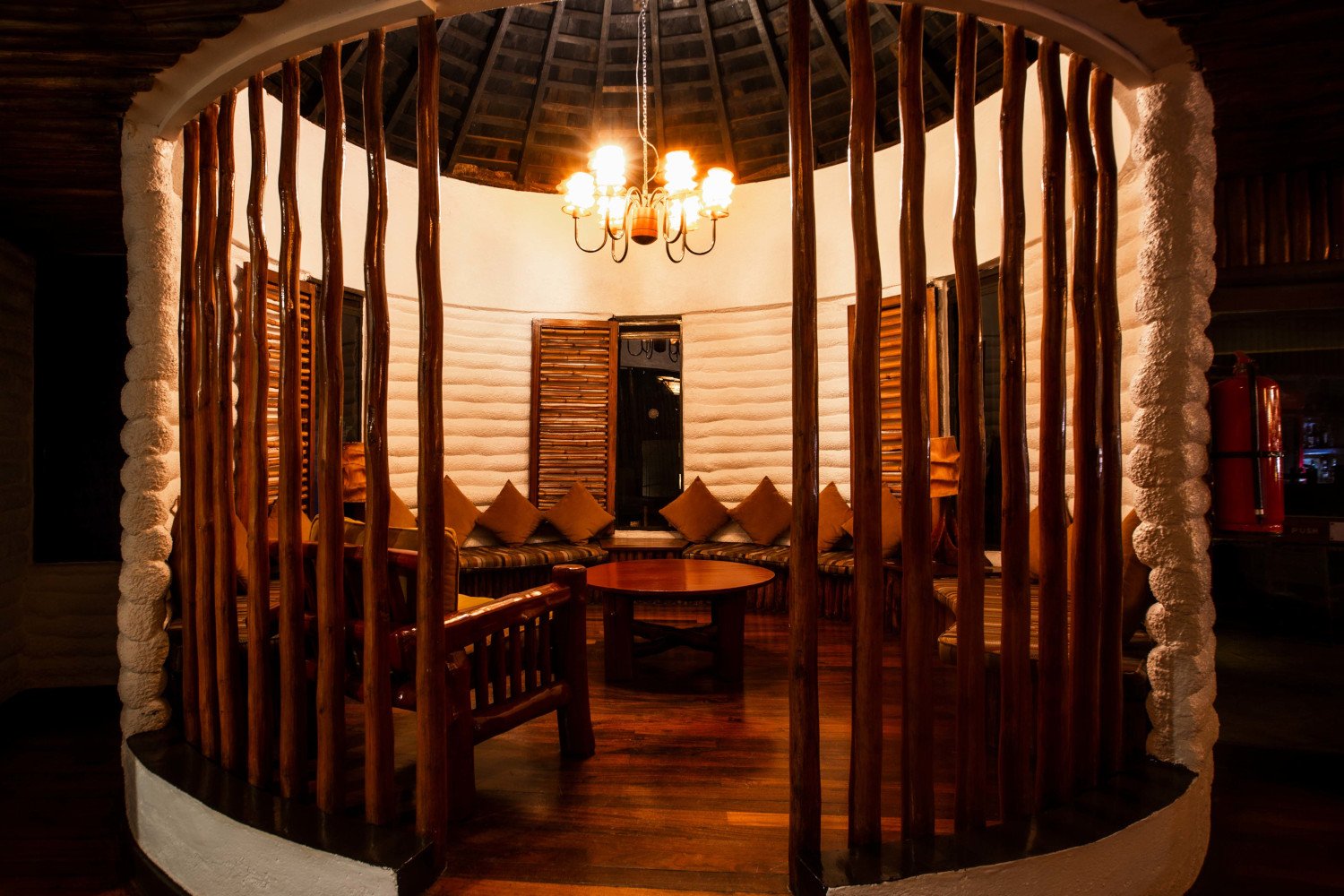
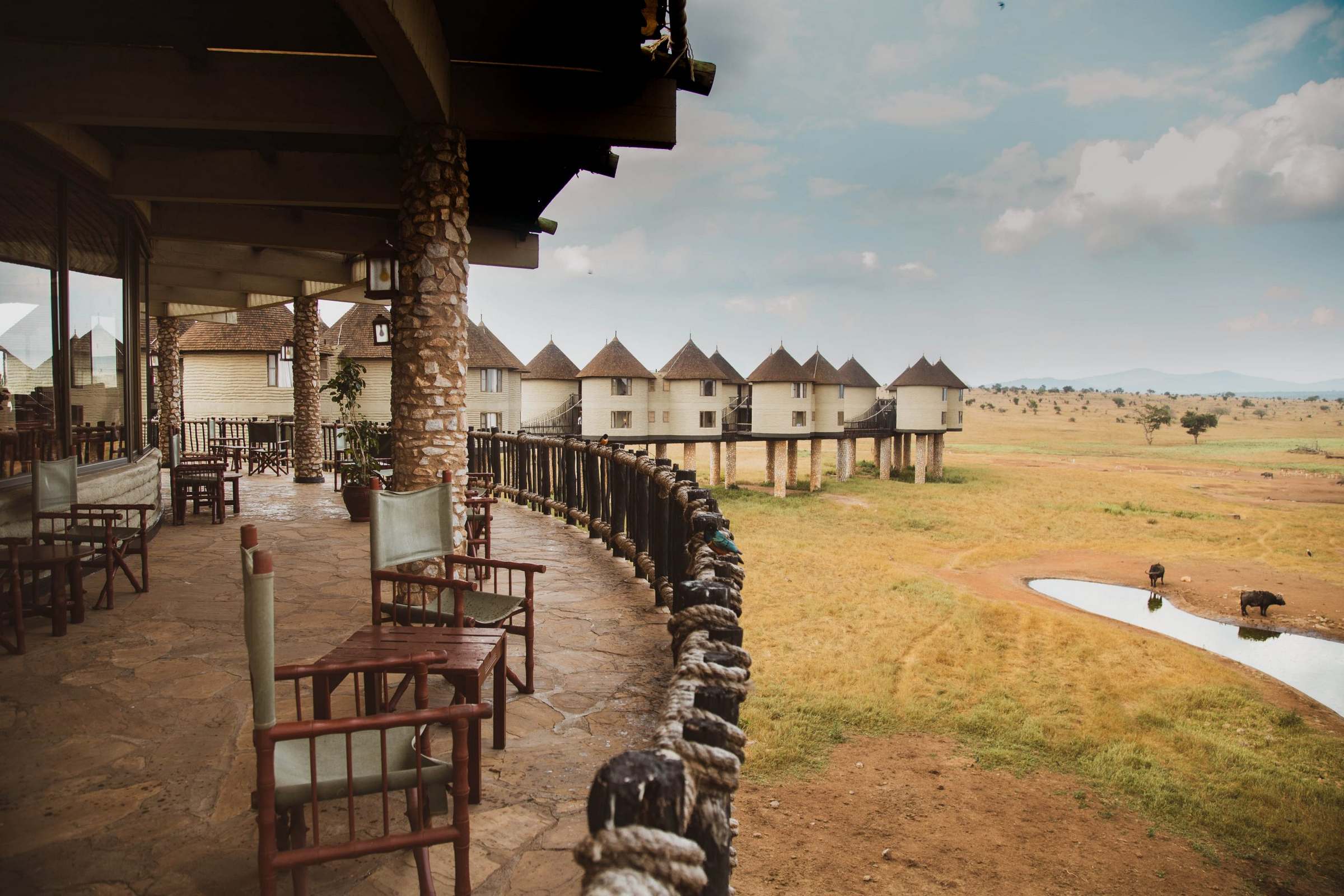
Salt Lick Safari Lodge
Salt Lick Safari Lodge is one of Kenya's most iconic safari lodges, renowned for its distinctive architecture, exceptional wildlife viewing, and location within the private Taita Hills Wildlife Sanctuary, adjacent to Tsavo West National Park. The lodge has become one of the country's most photographed safari destinations because of its elevated design overlooking busy wildlife waterholes.
Overview
-
Location: Taita Hills Wildlife Sanctuary, Taita-Taveta County, Kenya
-
Distance from Nairobi: Approximately 400 km (5.5–6.5 hours by road)
-
Distance from Mombasa: Approximately 200 km (3–4 hours by road)
-
Nearest attraction: Tsavo West National Park
-
Altitude: About 900–1,000 meters above sea level
-
Climate: Mild throughout the year, with average temperatures between 18°C and 30°C.
History
The original Salt Lick Lodge was established in the late 1960s and quickly became famous for its innovative stilted design that allowed guests to observe wildlife safely at close range. Over the years, it has been refurbished while preserving its distinctive appearance, and it remains one of Kenya's landmark safari lodges.
Unique architecture
The lodge's design is unlike that of most safari accommodations.
Its key features include:
-
Rooms raised high above the ground on timber and concrete stilts.
-
Elevated walkways connecting guest rooms.
-
Multiple floodlit waterholes directly beneath the lodge.
-
Open observation decks with panoramic views.
-
An underground viewing hide and tunnel leading to a ground-level observation point near the waterhole, allowing close wildlife viewing while remaining concealed.
Accommodation
The lodge has 96 elevated rooms, including:
-
Standard twin rooms
-
Double rooms
-
Triple rooms
-
Family options
Most rooms include:
-
Private bathroom with hot and cold shower
-
Flush toilet
-
Comfortable beds with mosquito protection
-
Writing desk
-
Wardrobe
-
Tea and coffee-making facilities
-
Complimentary Wi-Fi (availability may vary)
-
Large windows overlooking the waterholes
Because of the elevated design, nearly every room has a direct view of wildlife activity below.
Wildlife experience
The waterholes attract wildlife throughout the day and night.
Commonly seen animals include:
-
African elephants
-
Cape buffalo
-
Plains zebras
-
Masai giraffes
-
Waterbucks
-
Impalas
-
Dik-diks
-
Warthogs
-
Bushbucks
-
Elands
-
Lions
-
Leopards (less frequent)
-
Spotted hyenas
-
Jackals
-
Mongooses
Birdlife includes:
-
Hornbills
-
Eagles
-
Kingfishers
-
Bee-eaters
-
Weavers
-
Starlings
-
Ostriches
-
Vultures
The floodlit waterholes make nighttime wildlife viewing a signature experience.
Game drives
Guests can enjoy:
-
Morning game drives
-
Afternoon game drives
-
Full-day safaris
-
Night game drives within Taita Hills Wildlife Sanctuary (where permitted)
-
Birdwatching excursions
-
Guided nature walks in designated areas
The sanctuary spans roughly 28,000 acres, supporting free-ranging wildlife that also moves into the greater Tsavo ecosystem.
Dining
The lodge's elevated restaurant overlooks the waterholes, so guests often dine while watching wildlife.
Dining typically includes:
-
Buffet breakfasts
-
International cuisine
-
Kenyan specialties
-
Vegetarian options
-
Fresh fruit and desserts
-
Outdoor "bush" dining experiences (subject to weather and operational schedules)
The bar also overlooks the sanctuary, making it a popular spot at sunset.
Facilities
Amenities commonly include:
-
Restaurant
-
Bar and lounge
-
Observation decks
-
Conference facilities
-
Gift shop
-
Swimming pool at the nearby Sarova Taita Hills Game Lodge (often accessible to guests through combined arrangements)
-
Free parking
-
Safari booking services
-
Airport and road transfers on request
Nearby attractions
Visitors often combine their stay with:
-
Tsavo West National Park
-
Tsavo East National Park
-
Taita Hills Wildlife Sanctuary
-
Mzima Springs
-
Shetani Lava Flow
Best time to visit
June–October
-
Dry season
-
Easier wildlife viewing
-
Pleasant temperatures
January–February
-
Warm and relatively dry
-
Good wildlife concentrations
March–May
-
Long rains
-
Lush scenery, though some roads may be muddy
November–December
-
Short rains
-
Good birdwatching and greener landscapes
Photography
The lodge is especially popular with photographers because:
-
Animals gather at the waterholes throughout the day.
-
Floodlights enable night photography.
-
Elevated viewpoints provide unobstructed angles.
-
Wildlife can often be photographed without leaving the lodge.
Sustainability
The lodge operates within a private wildlife sanctuary that emphasizes:
-
Wildlife conservation
-
Habitat protection
-
Community engagement
-
Eco-tourism practices supporting conservation and local livelihoods.
Guest reviews
The lodge consistently receives strong reviews for:
-
Exceptional wildlife viewing from the rooms
-
Memorable architectural design
-
Friendly staff
-
Scenic setting