Tarangire Elephant Springs
Tarangire Elephant Springs
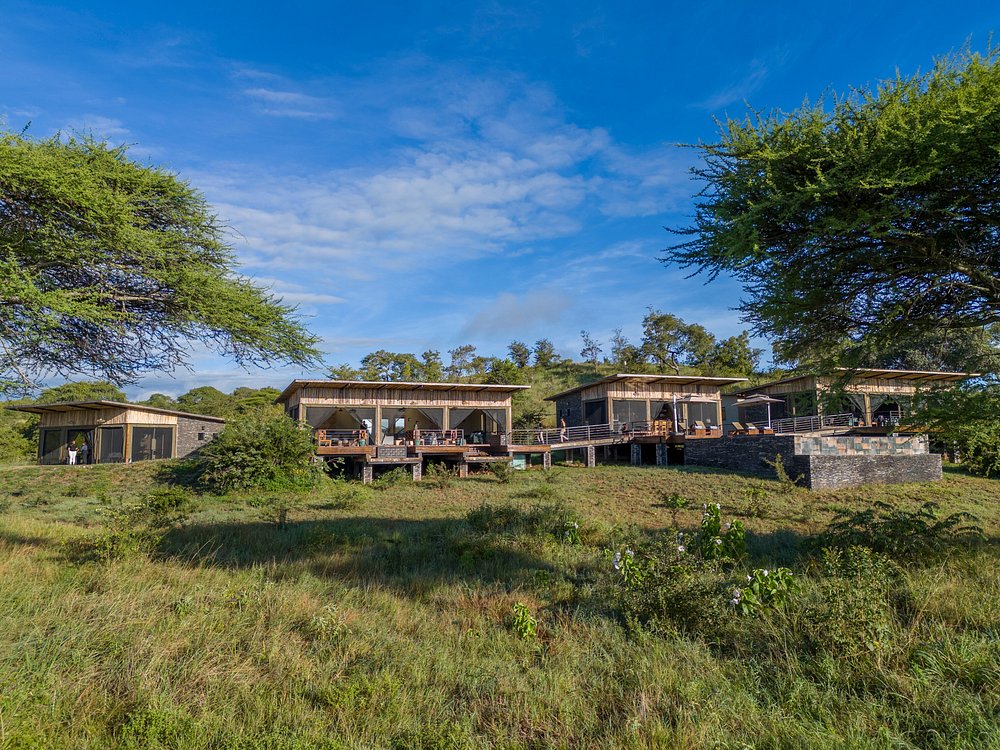
Tarangire Elephant Springs is designed to combine a high-end safari experience with close access to wildlife. The camp is named after the natural springs and elephant activity that characterize this section of the park. It is particularly well known for:
-
Exceptional elephant viewing
-
Permanent wildlife activity throughout the dry season
-
Luxury tented accommodation
-
Easy access to the central and northern game-viewing areas of Tarangire
The camp generally receives excellent guest ratings, particularly for service, wildlife encounters, and comfort.
Accommodation
The camp offers spacious luxury canvas suites featuring:
-
King-size or twin beds
-
En-suite bathrooms with indoor and outdoor showers
-
Private verandas overlooking the bush
-
Premium furnishings blending modern comfort with safari style
-
Solar-powered electricity
-
Wi-Fi in common areas (availability may vary)
Many tents are positioned to maximize wildlife viewing directly from the deck.
Wildlife
Tarangire is famous for supporting one of Tanzania's largest elephant populations.
During the dry season (June–October):
-
Hundreds of elephants gather around the Tarangire River.
-
Herds often include calves, juveniles, and large breeding females.
-
Mature bulls with impressive tusks are frequently seen.
Other wildlife commonly observed includes:
-
Lions
-
Leopards
-
Cheetahs (occasionally)
-
African buffalo
-
Giraffes
-
Zebras
-
Wildebeest
-
Impalas
-
Elands
-
Waterbucks
-
Warthogs
-
Hyenas
-
Jackals
Bird enthusiasts can find more than 500 recorded bird species in the park, including:
-
Yellow-collared lovebird
-
Kori bustard
-
Secretary bird
-
African fish eagle
-
Hornbills
-
Lilac-breasted roller
Safari Activities
Guests can typically enjoy:
-
Morning game drives
-
Afternoon game drives
-
Full-day safaris with picnic lunches
-
Walking safaris (where permitted and guided)
-
Sundowner experiences
-
Birdwatching excursions
-
Cultural visits to nearby Maasai communities (usually arranged outside the park)
Some third-party sources mention night drives, but inside Tarangire National Park these are generally not permitted under park regulations. Always confirm with your operator if night activities are offered in adjacent concession areas rather than inside the national park.
Dining
The camp usually provides:
-
Full-board accommodation
-
Freshly prepared multi-course meals
-
Bush breakfasts
-
Picnic lunches during full-day safaris
-
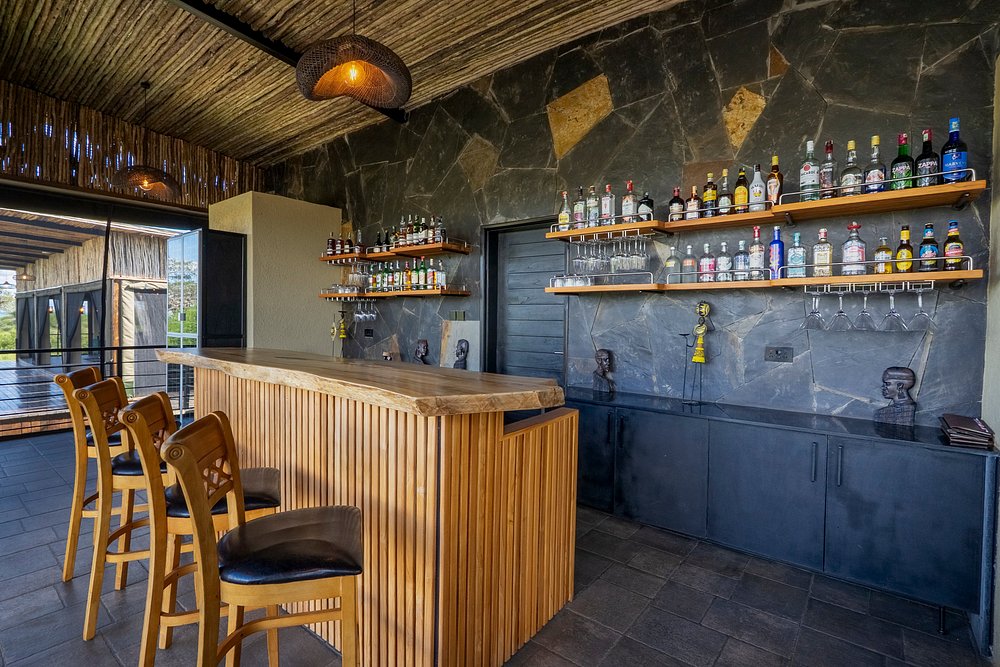
Sundowner cocktails
-
Campfire dinners beneath the stars
Dietary requirements can generally be accommodated with advance notice.
Best Time to Visit
| Season | Experience |
|---|---|
| June–October | Peak wildlife viewing, massive elephant herds, excellent predator sightings |
| November–December | Green landscapes, migratory birds arrive, fewer visitors |
| January–March | Calving season, lush scenery, excellent photography |
| April–May | Rainy season; fewer tourists, but some roads may become difficult |
The June to October dry season is widely regarded as the best period for elephant viewing because wildlife concentrates around permanent water sources.
Location
The camp is situated near the Kuro Ranger Post, placing it within convenient driving distance of:
-
Tarangire River
-
Silale Swamp
-
Baobab woodlands
-
Open savannahs frequented by elephants and predators
This location allows access to several of Tarangire's most productive game-viewing routes.
Why Choose Tarangire Elephant Springs?
It is particularly well suited for travelers who want:
-
Luxury accommodation within the park
-
Outstanding elephant photography
-
Fewer safari vehicles than more heavily visited parks like the Serengeti
-
Excellent birdwatching
-
A quieter safari experience centered on Tarangire's iconic baobab landscapes and elephant herds