Wajee Nature park
Wajee Nature park
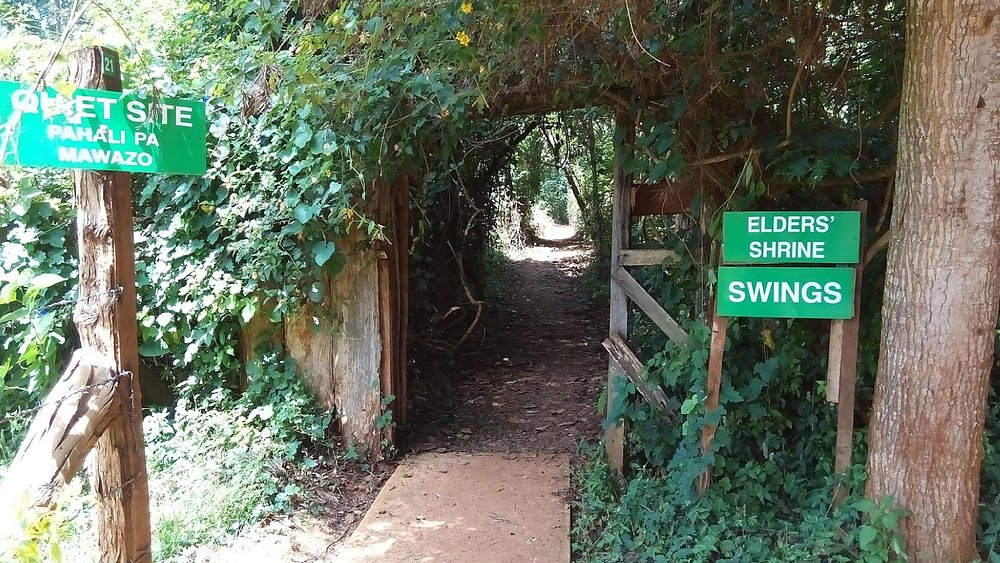
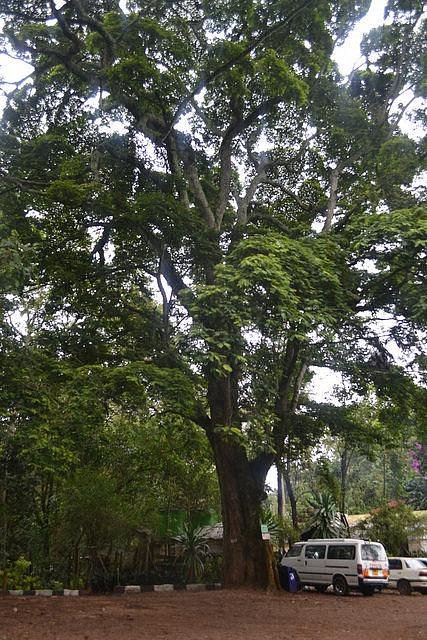
The park was established by the late Reverend James Gakunju Gathigi, popularly known as "Wajee." The area was once part of a coffee farm, but conservation efforts transformed it back into indigenous forest. Over time, native trees regenerated and additional indigenous species were planted, creating a refuge for wildlife in a heavily cultivated region.
Wajee Nature Park is especially important because it protects habitat for the endangered Hinde's Babbler, a bird found only in central Kenya. Conservation organizations consider the Mukurwe-ini valleys a Key Biodiversity Area, and Wajee Nature Park is one of the most important protected sites within it.
Wildlife
Birds
Birdwatching is the park's biggest attraction. More than 120 bird species have been recorded. Notable species include:
-
Hinde's Babbler (the park's flagship species)
-
African Dusky Flycatcher
-
Cape Robin-Chat
-
Cinnamon-chested Bee-eater
-
Cabanis's Greenbul
-
Holub's Golden Weaver
-
African Harrier-Hawk
During northern hemisphere winter, migratory birds such as Eurasian bee-eaters and blackcaps are also seen.
Mammals
Although small, the forest supports a surprising variety of wildlife:
-
Side-striped Jackal (a rare sighting)
-
Genet
-
Bush Baby
-
Slender Mongoose
-
Common Duiker
-
Vervet Monkey
-
African civets and other small forest mammals have also been reported.
Activities
1. Nature Walks
The park contains forest trails that can be explored independently or with a naturalist guide. The trails pass through indigenous woodland and offer excellent wildlife photography opportunities.
2. Bird Watching
This is the premier activity. The park's relatively small size makes it easier to spot birds compared with larger forests. Early mornings are generally the most productive.
3. Environmental Education
A replica traditional Kikuyu homestead provides cultural and educational experiences for visitors interested in local heritage.
4. Beekeeping Demonstrations
The park maintains an apiary where visitors can learn about sustainable beekeeping and honey production.
5. Photography
The combination of indigenous forest, birds, butterflies, and scenic Nyeri countryside makes the park popular among nature photographers.
Accommodation
The park offers several options:
-
Self-contained cottages
-
Traditional-style bandas
-
Camping grounds
-
Picnic areas
Visitors can stay overnight and enjoy early morning birdwatching when wildlife activity is highest.
Facilities
Available facilities include:
-
Camping grounds
-
Event lawns
-
Conference facilities
-
Picnic sites
-
Traditional Kikuyu village replica
-
Apiary
-
Accommodation cottages and bandas
-
Outdoor social and banqueting spaces
Ecological Importance
The park serves as a rare example of successful private conservation in Kenya. Its significance extends beyond tourism:
-
Protects indigenous forest habitat
-
Conserves the endangered Hinde's Babbler
-
Acts as a biodiversity refuge within an agricultural landscape
-
Supports environmental education and community conservation awareness
Best Time to Visit
-
Birdwatching: Early morning throughout the year.
-
Photography: Dry seasons (January–March and June–October).
-
Migratory birds: Roughly November–March.